Government
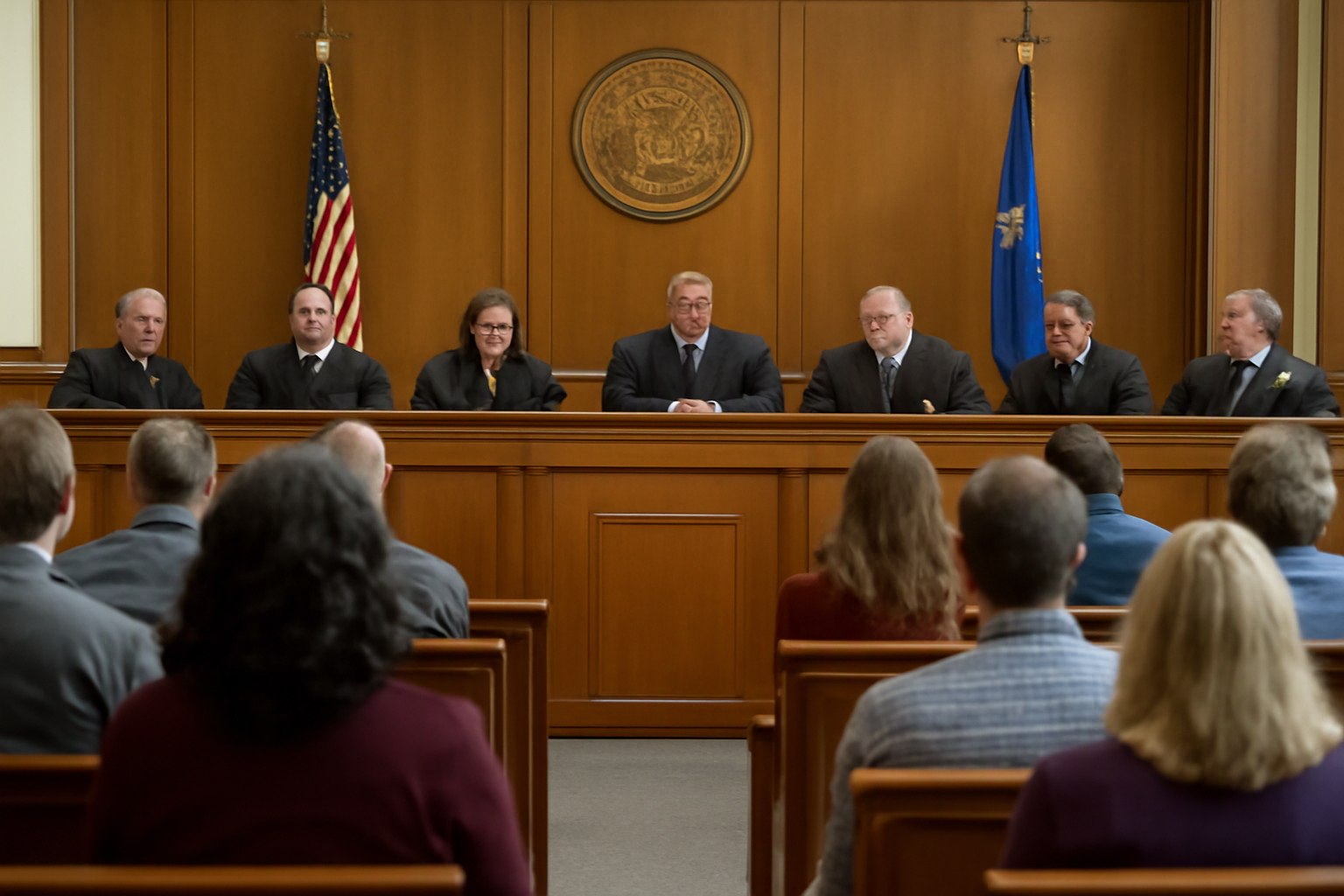
Wisconsin Supreme Court: State v. Desmond J. Wilhite
By Katherine Langford
Advertisement · Why this ad?
Marcus manages the day-to-day editorial workflow across all brands, coordinating coverage assignments and ensuring editorial standards are met. He previously served as city editor at the Pioneer Press and holds a degree in Political Science from Carleton College.
More from Marcus →
As the sun rises over Brookfield, the community buzzes with anticipation for an important discussion that could shape the future of its water resources. Local residents and environmental advocates are gearing up for the Wisconsin Department of Natural Resources (DNR) Drinking Water and Groundwater Study Group meeting set for November 5, 2026. This gathering aims to address critical issues surrounding water quality, a topic that directly impacts families, businesses, and the overall health of the community.
The upcoming meeting of the Drinking Water and Groundwater Study Group represents a proactive step by the Wisconsin DNR to engage stakeholders in meaningful dialogue. The group will focus on assessing current water quality issues and exploring sustainable solutions. This initiative is particularly timely as communities across Wisconsin face increasing challenges related to groundwater contamination and water scarcity.
Brookfield has long been known for its commitment to maintaining a healthy environment. The DNR’s involvement signifies the state’s recognition of the importance of local input in shaping water policy. As cities grow and the demand for clean water rises, such discussions become vital to ensure that families can rely on safe drinking water.
For Brookfield residents, the implications of this study group extend beyond policy. Clean drinking water is essential for health, agriculture, and economic stability. Local businesses, especially those in the food and beverage sector, depend on high-quality water to maintain their operations. In a community where many families rely on local farms and markets, the quality of water directly influences the quality of produce and livestock, which is a cornerstone of Brookfield’s economy.
Moreover, families are increasingly concerned about water quality due to rising contaminants in groundwater. According to the Environmental Protection Agency, issues like lead and nitrates can pose significant health risks. The DNR’s efforts to address these concerns reflect a community commitment to ensuring that Brookfield remains a safe place to live and raise families. Local parent groups have expressed their worries about the long-term effects of contaminated water on children’s health, emphasizing the need for immediate action.
The DNR is not just holding a meeting; it is inviting the community to participate actively. Residents are encouraged to share their experiences and concerns about local water sources. This engagement is crucial as it fosters a sense of ownership among residents, empowering them to advocate for their needs. Community leaders, including members of the Brookfield City Council and local environmental organizations, are also expected to attend, further demonstrating the collaborative spirit of this initiative.
Public participation can lead to more comprehensive solutions tailored to the unique challenges faced by Brookfield. As families gather to discuss their water concerns, they can also explore ways to work together to protect their natural resources. This collaborative approach is essential for sustainable community development. Local schools are also getting involved, with educational programs designed to teach children about the importance of water conservation and quality, ensuring that the next generation is equipped to handle these challenges.
Looking ahead, the outcomes of the Drinking Water and Groundwater Study Group meeting could pave the way for new policies and initiatives. The DNR plans to compile feedback from the meeting and use it to inform future regulations and programs aimed at improving water quality. This could lead to the development of stricter guidelines for agricultural runoff, which has been a significant contributor to water quality issues in the area.
In addition, the state may explore funding opportunities to support local projects that enhance water infrastructure. For instance, grants from the Wisconsin Department of Administration could be instrumental in upgrading aging water systems or implementing innovative filtration technologies. Local officials are optimistic that these funds could help Brookfield invest in green infrastructure, such as rain gardens and permeable pavements, which not only improve water quality but also enhance the beauty and functionality of public spaces.
The vision for Brookfield’s water future is not just about addressing current issues; it’s about building a resilient community. By prioritizing clean water, Brookfield can create a foundation for economic growth and public health. As families invest in their homes and businesses, they also invest in a sustainable future. This forward-thinking approach is critical as climate change continues to impact local weather patterns, potentially exacerbating issues like flooding and drought.
Moreover, the discussions initiated by the DNR can serve as a model for other communities facing similar challenges. By showcasing Brookfield’s commitment to clean water, the city can inspire neighboring areas to take action, fostering a regional approach to water management. Collaborative efforts between municipalities can lead to shared resources and knowledge, ultimately benefiting all residents in the region.
As the meeting date approaches, community members have begun to voice their thoughts on the importance of this gathering. Local resident and environmental activist, Sarah Thompson, expressed her enthusiasm: "This is a crucial opportunity for us to come together and make our voices heard. We need to ensure that our water is protected for future generations." Her sentiments are echoed by many, including local business owners who rely on clean water for their operations and families who wish to secure a healthy environment for their children.
As the November meeting approaches, it is clear that the Drinking Water and Groundwater Study Group represents more than just a gathering of policymakers. It is a call to action for the Brookfield community to engage in the stewardship of their most vital resource. Clean water is not just a necessity; it is a right that every resident deserves.
The DNR’s initiative underscores the importance of collaboration between government, businesses, and families. By coming together, Brookfield can ensure a sustainable water future for generations to come. As the community prepares for this essential meeting, residents are reminded that their voices matter in shaping the policies that affect their lives. The outcome of this meeting could very well define the trajectory of Brookfield’s environmental health, making it imperative for residents to take part and advocate for their shared future.
By Katherine Langford

By Katherine Langford

By Katherine Langford
By Katherine Langford